
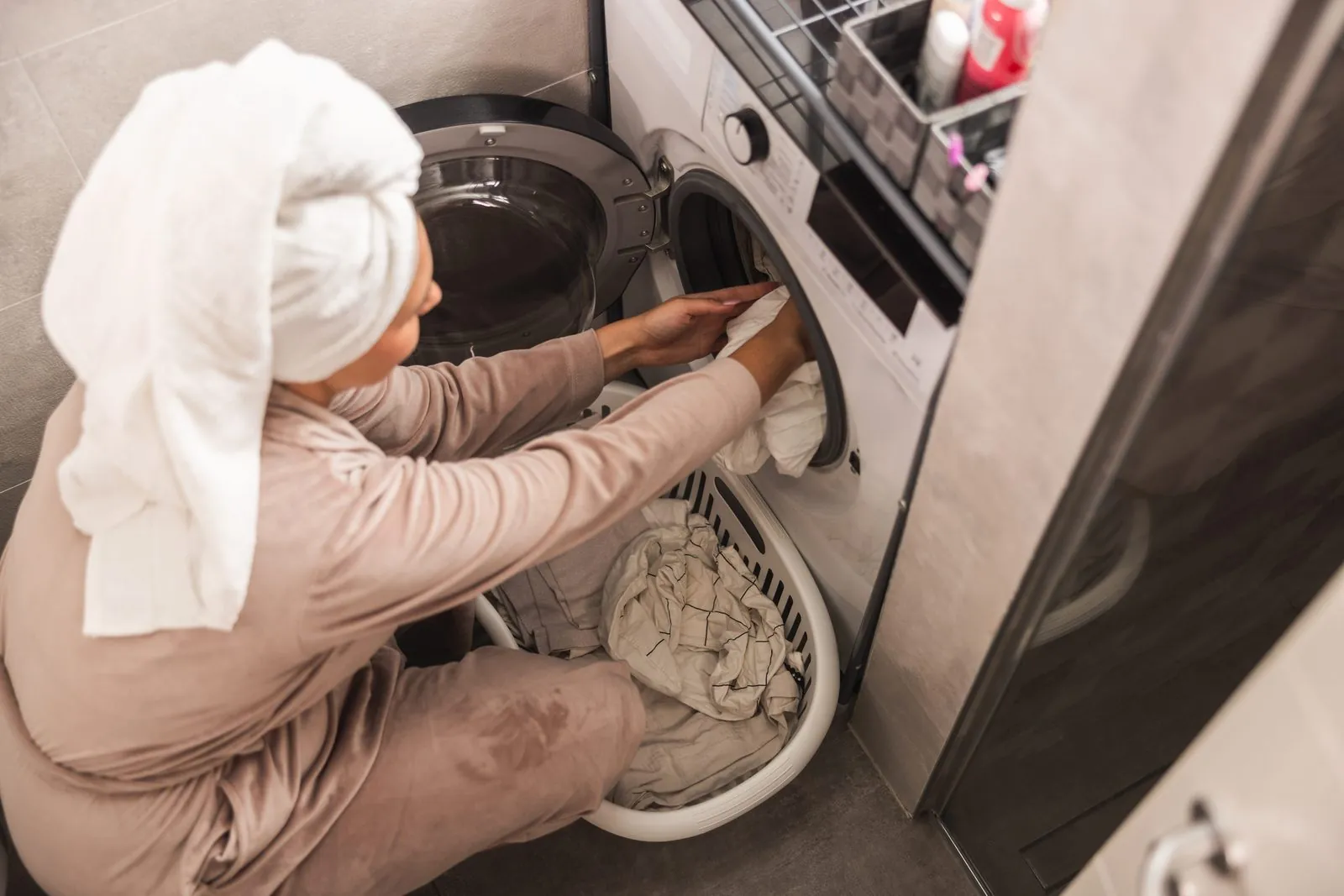
Washing Machine Repairs in Gauteng — Front Loaders, Top Loaders and Washer-Dryers
Drum not spinning, water not draining, laundry soaking wet, or a machine that sounds like a jet engine on spin? Every one of those has a specific cause. We find it, quote it, and fix it — usually in a single visit.
Washing machines fail in patterns — and we know them
A washing machine is a hostile environment for machinery: heat, water, detergent, vibration and a load of wet laundry that can weigh twenty kilograms trying to fling itself around at 1,400 revolutions a minute. Things wear out. The good news is that they wear out predictably, and after enough years of laundry-room call-outs the patterns become obvious. Carbon brushes go on brushed-motor machines. Bearings go on machines that have spent a decade spinning heavy loads. Drain pumps get killed by coins and hair grips. Door seals perish. Control boards fail after a power surge — an occupational hazard in South Africa.
Because the failures are predictable, the parts are stockable. Our technicians carry the common ones, which is the difference between a fault being fixed on the day and a fault turning into "we will order the part and come back next week". Where a genuinely model-specific component is needed, we tell you what it costs and how long it takes before you commit to anything.
What we will not do is replace parts speculatively until the symptom disappears. A machine that will not spin might be a R800 set of brushes or a R3,400 motor, and the only way to know which is to test it.
Washing machine repairs we handle
- Drum not spinning. Carbon brushes, door interlock, drive belt, tachometer or motor — diagnosed in that order, cheapest and most likely first.
- Not draining or stuck mid-cycle. Blocked filter, failed drain pump, blocked sump hose or a pressure-switch fault convincing the machine it is still full.
- Drum bearings and shock absorbers. The grinding, roaring machine that walks across the floor on spin. Repairable — but far cheaper caught early.
- Leaks. Door seal, inlet and drain hoses, detergent drawer, pump housing or tub seal. Each has a very different price tag, so identifying the source matters.
- Door lock and interlock faults. The machine that will not start, or will not release your laundry once the cycle ends.
- Heating faults. Cold washes only, or cycles that take hours — typically a failed heating element or thermistor.
- Control boards and error codes. Surge damage and failed PCBs, particularly common after load-shedding cycles.
- Machines that trip the electricity. Usually a shorted heating element or motor. Stop using it and call us — this one is a safety issue, not an inconvenience.
Why customers keep our number
Partly it is the diagnosis-first discipline. Partly it is that we will tell you when a machine is not worth the repair — we have talked plenty of people out of a R4,000 bearing job on an aging budget machine, and those are the customers who call us again when the new one eventually needs attention.
And partly it is the small operational things: an actual appointment window, a technician who explains what failed and why, a quote you approve before a single screw comes out, and a machine that is put through a full test cycle before we pack up.
Brands and machine types we repair
Front loaders, top loaders, integrated units and washer-dryer combinations. We repair Samsung, LG, Defy, Bosch, Hisense, Whirlpool, Siemens, AEG, Smeg, Miele, Electrolux and Kelvinator machines.
The washing machine faults we see week in, week out
If your machine is doing one of these, we have repaired the same thing recently — and we probably have the part on the van.
Drum will not spin
Carbon brushes, door interlock, belt, tacho or motor. The cheap causes are also the most common ones, which is why we test in order.
Water will not drain away
Blocked pump filter, failed drain pump or a blocked sump hose. Stop running cycles — you will kill the pump trying to force it.
Grinding or roaring on spin
Drum bearings. Fixable now, far more expensive if the shaft and tub get destroyed by leaving it.
Leaking water onto the floor
Door seal, hoses, detergent drawer, pump housing or tub seal — five very different repairs at five very different prices.
Machine walks across the laundry
Failed shock absorbers or suspension, worn bearings, or simply an appliance that was never levelled properly at installation.
Door will not open after a cycle
Door interlock fault or a machine that has not drained. Do not force it — the handle mechanism is the expensive part to break.
Stops mid-cycle or resets itself
Pressure switch, heating circuit or a control board that is failing intermittently. Common after power surges.
Washing comes out soaking wet
The machine is running but not reaching spin speed — an unbalanced load, worn brushes or a motor speed sensor that has failed.
How a washing machine repair runs
Straightforward, and structured so that the expensive decisions are yours to make.
Send us the symptom
Tell us what it does and when — mid-cycle, at spin, only on hot washes. WhatsApp us the model number and any error code on the display.
Booked into a real slot
You get a time window and the call-out fee upfront. If the machine is full of water, we will tell you how to make it safe in the meantime.
Diagnosis before parts
Brushes, interlock, belt, pump, bearings and board tested in a sensible order. Then a written quote with the total, not a running tab.
Repaired and run through a cycle
The machine is tested under load before we leave, because a repair that only works empty is not a repair.
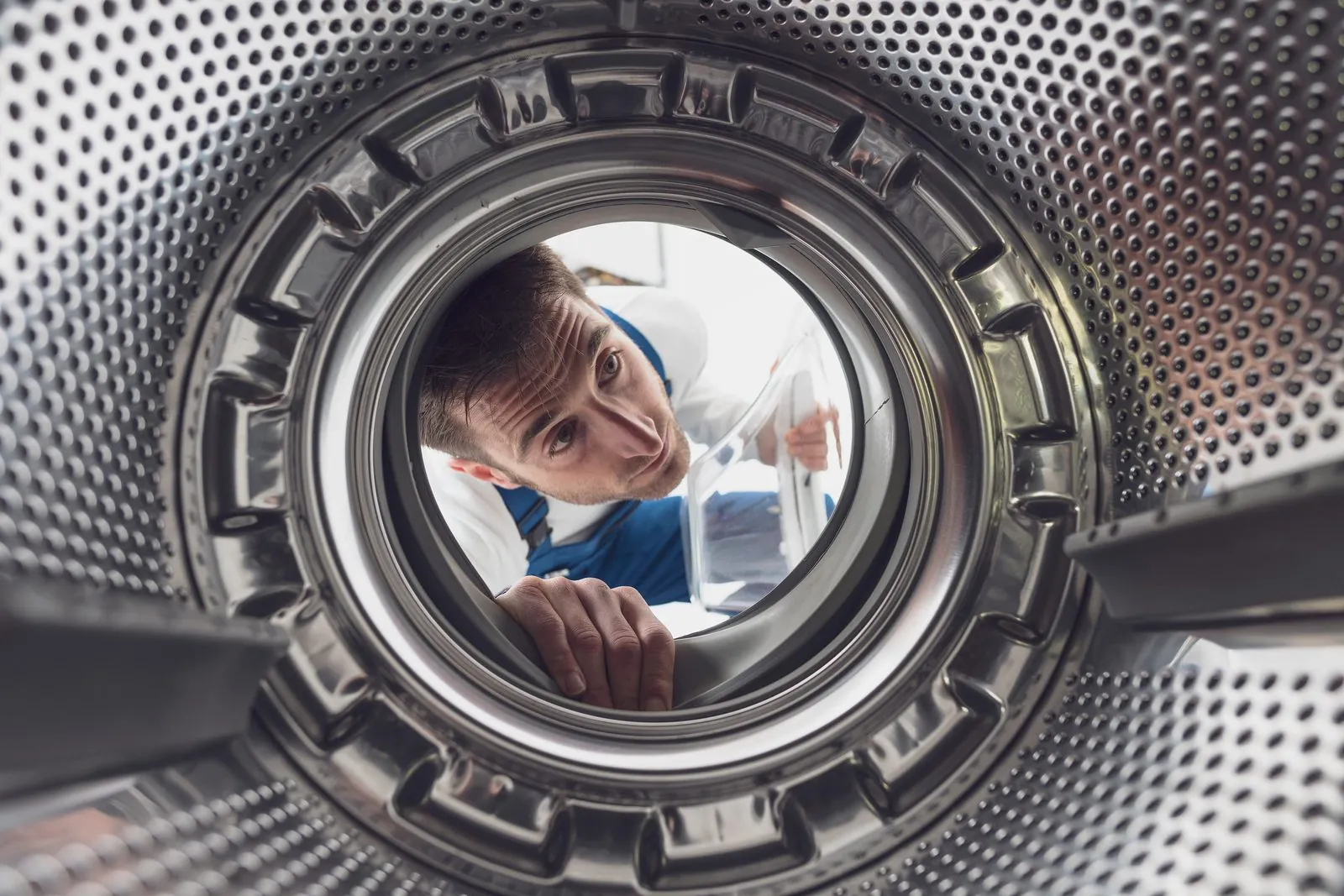
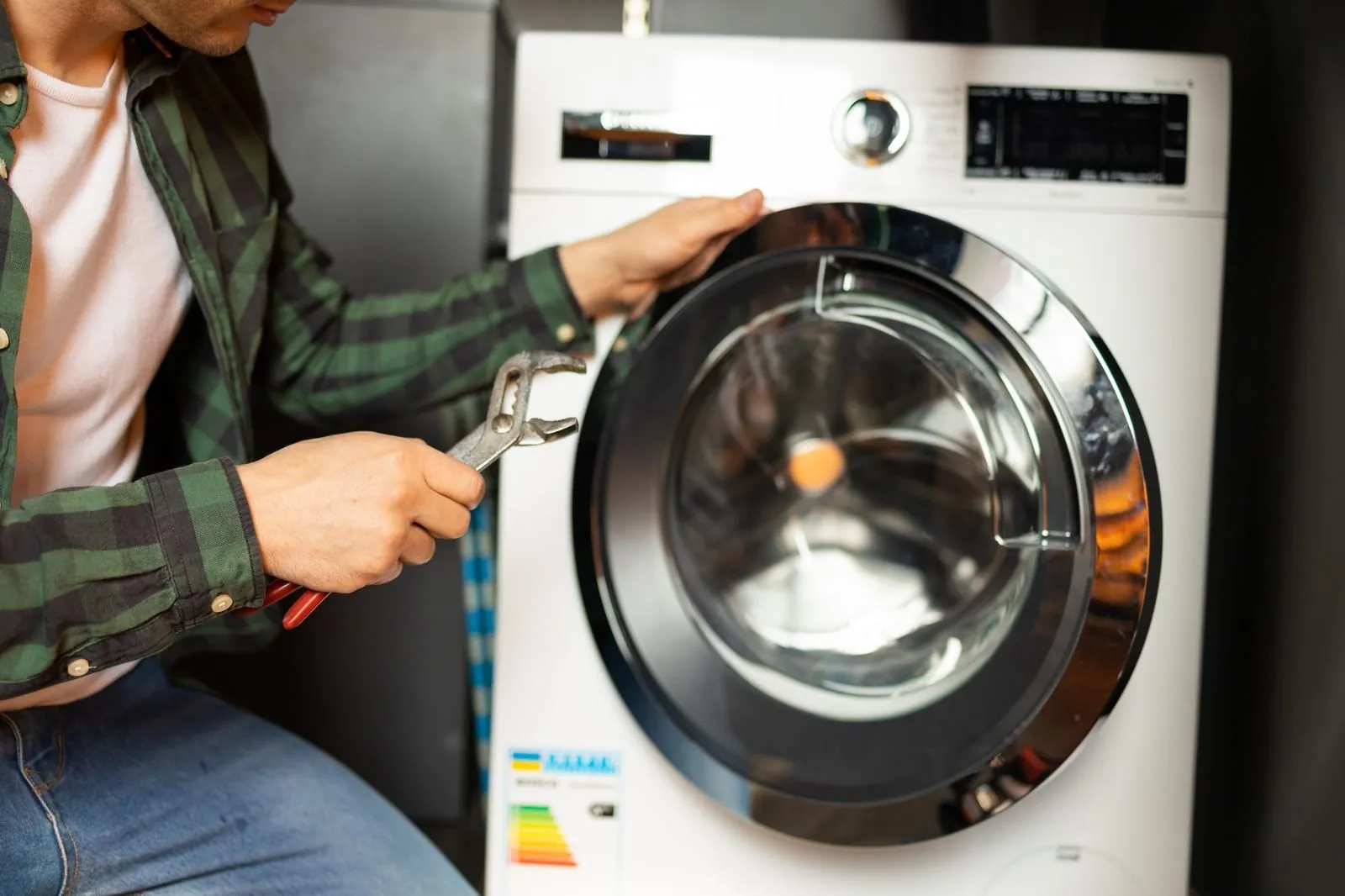
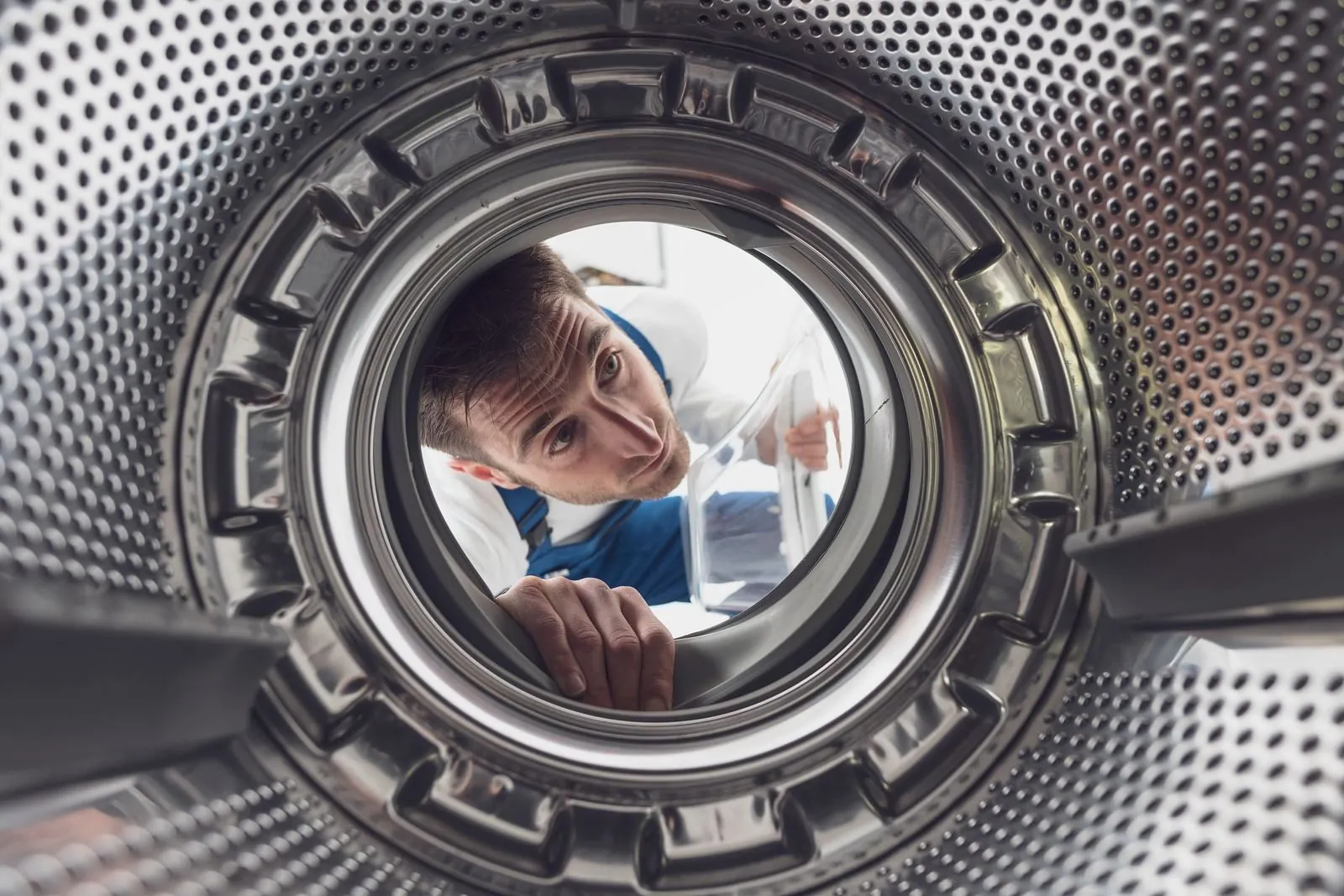
Washing machine repairs, up close
Drums, bearings, pumps, seals and boards. The parts that fail are predictable — which is exactly why we carry them.
Washing machine repairs near you
We cover the whole of Gauteng. Pick your suburb for local booking times and what we typically see in that area.
Every brand in a South African laundry
Direct-drive LG, brushed-motor Defy, surge-sensitive Samsung boards, and German machines built to last two decades. Choose your brand for specifics.
Washing machine repair FAQs
Straight answers to what customers ask before booking a washing machine technician.
Why has my washing machine stopped spinning?
There is a short list of usual suspects and the order matters. On older belt-driven and brushed-motor machines, worn carbon brushes are extremely common and comparatively cheap. On newer direct-drive machines the culprit is more often the door lock (the machine will refuse to spin if it cannot confirm the door is secure), the tachometer on the motor, or the control board. An unbalanced or overloaded drum will also abort a spin — which is why we always check the simple things before quoting for the expensive ones. Costs are set out in our not-spinning repair cost guide.
My machine is making a horrible grinding noise on the spin cycle. Is it serious?
It usually means the drum bearings are on their way out, and it is the one washing machine fault where waiting genuinely costs you money. Bearings that are merely noisy can be replaced; bearings left long enough will destroy the drum, the shaft and sometimes the outer tub, at which point the repair stops making financial sense. If your machine has started grinding or roaring on spin, get it looked at while it is still a bearing job.
The machine is full of water and will not drain. What now?
First, do not keep running cycles — you will only burn out the pump. In a large number of cases the drain pump filter is simply blocked with coins, hair grips, lint or a sock, and clearing it is a modest job. Where the pump itself has failed, or the drain hose or sump is blocked further down, it is a bigger strip-down. Our not-draining cost guide explains both scenarios and what each costs.
Is it worth repairing a washing machine, or should I just buy a new one?
Our rule of thumb: if the repair costs more than half the price of an equivalent new machine, replacement usually wins. But brand and age change that maths. Spending R3,400 on bearings for a twelve-year-old entry-level machine rarely makes sense; spending the same on a Bosch or Miele that is built to run for twenty years usually does. We will give you the honest number on site and you decide.
Why is my washing machine leaking water onto the floor?
The door seal is the most common source on front loaders — a small tear or a lodged coin will let water out on every wash. Other sources are the inlet or drain hoses, the detergent drawer housing, the pump, or the tub seal itself. The reason it matters which one is the price: hoses and seals are relatively cheap, whereas a tub seal is a full strip-down. See the leak repair cost guide.
Do you repair top loaders as well as front loaders?
Yes. Top loaders are still very common in South African homes and they fail differently — gearbox and clutch problems, lid switches, and drive-belt slippage rather than the door-seal and bearing faults we associate with front loaders. Both are core work for us, as are combination washer-dryers.
My machine shows an error code. Can you tell me what it means?
Often, yes — over the phone. Samsung, LG, Bosch and Defy all use their own code systems, and many codes point at a specific sensor or circuit. WhatsApp us the code and the model number and we will tell you what it is reporting and whether it is something you can clear yourself before paying for a call-out.
Guides worth reading before you book
Book a washing machine technician.
Tell us what the machine is doing and when it does it — mid-cycle, at spin, only on hot washes. That single detail narrows most diagnoses before we even arrive.
- Front loaders, top loaders and washer-dryer combinations
- Bearings, pumps, door locks, seals and control boards
- Machine tested under load before we leave
Let's get the laundry moving again.
Tell us what the machine is doing and we will give you a realistic idea of the fault and the cost before anyone gets in a van.